

The Dangers Of Driving Drowsy
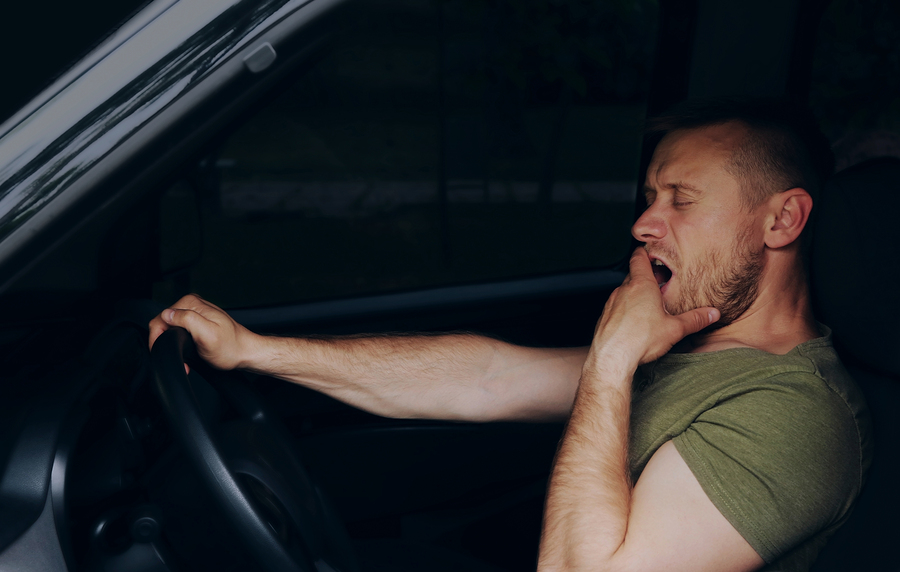
The dangers of drowsy driving do not receive nearly enough attention as it deserves. Mostly, because it often goes unreported and is much more difficult to pinpoint as a cause or factor in car accidents compared to factors like speeding or alcohol. However, the National Highway Transportation Safety Administration estimates that drowsy driving may contribute to more than 100,000 accidents per year. Though the NHTSA believes even that number is probably lower than is true.
According to the National Sleep Foundation’s Sleep in America poll, it was found that 60 percent of Americans have driven despite feeling sleepy and 37 percent have even admitted to falling asleep at the wheel within the past year. There is even a chance that the numbers are higher since many people are unable to tell whether they are about to fall asleep or have fallen asleep.
While you may believe that you can handle your sleepiness while on the road, you are putting yourself and others in danger each time you make that decision to do so. It is suggested that if you start to feel any of these signs, you should not be on the road:
- Daydreaming or disconnected thoughts
- Yawning repeatedly or rubbing your eyes
- Trouble focusing, frequent blinking or heavy eyelids
- Difficulty remembering the last few miles driven
- Drifting from your lane, tailgating or hitting a shoulder rumble strip
- Trouble keeping your head up
- Feeling extremely restless and irritable
- Leave plenty of extra time to reach your destination when possible. If you are feeling drowsy or if the drive itself is a long one, try to schedule breaks in between to allow you to stretch your legs and break the monotony of the drive.
- Avoid driving late in the night or during the early morning as these times increase the risk of drowsiness.
- If you have another driver with you, try sharing the driving responsibilities to give each other a break.
- Do not use caffeine as a sleep substitute! This will only provide short-term alertness and can increase the risks of falling asleep once you ‘crash’.
- See if a family member or friend can drive you where you need to go when feeling sleepy.
Brian O. Sutter has been Board Certified in Florida Workers’ Compensation since 1990 and re-certified in 1995, 2000, 2005, 2010 and 2015.